
Is Your Hemp Vape About to Become Illegal? What Changes on November 12, 2026

Quick answer: Most new federal hemp rules no longer take effect on November 12, 2026. A funding law signed September 2, 2026, moved the total THC standard and the 0.4 mg THC-per-container cap to December 11, 2026. November 12 still applies to synthetic cannabinoids. In Texas, cannabinoid vapes have been off retail shelves since September 1, 2025.
If you buy hemp products, you’ve probably seen headlines calling this a “hemp ban.” Some of those headlines are accurate and some are already out of date. We sell hemp-derived products from Katy, Texas, so we’ve been tracking every step. Here’s what we can actually confirm as of October 2026, in plain English.
What exactly changes under the new federal hemp rules?
The new law rewrites the federal definition of hemp so it measures total THC instead of only delta-9 THC, and it caps finished products at 0.4 mg of total THC per container. It came from a government funding bill signed on November 12, 2025, which gave the industry a one-year runway.
Under the 2018 Farm Bill, hemp only had to stay at or below 0.3% delta-9 THC by dry weight. That single-compound test is what allowed so many THC products to be sold as hemp. The new definition closes that gap. This compliance overview from the law firm Frier Levitt lays out the full text and history.
Here are the three changes that matter most to shoppers:
- Total THC replaces delta-9 THC. THCA and delta-8 THC now count toward the 0.3% dry-weight limit.
- A 0.4 mg cap per container. Any final hemp-derived cannabinoid product must contain no more than 0.4 mg of total THC in the whole package.
- Synthetic cannabinoids are out. Cannabinoids that are synthesized or manufactured outside the plant no longer qualify as hemp.
Did Congress delay the November 12, 2026 deadline?
Yes, for most of it. Congress passed H.R. 6500, a short-term government funding bill, and it was signed into law on September 2, 2026. It pushes the main hemp changes from November 12 to December 11, 2026.
The House approved it 370 to 48 on September 1, after the Senate had already passed it. Through December 10, the old 0.3% delta-9 standard stays in place, and the 0.4 mg per-container cap does not apply yet.
November 12 isn’t gone, though. Products containing cannabinoids that the cannabis plant cannot naturally produce lose federal hemp status on that date anyway. This breakdown from a cannabis business law practice walks through exactly which provisions moved and which didn’t.
Also keep in mind that December 11 is the same day the stopgap funding runs out. The hemp date rides on whatever funding bill comes next, so it could move again, or it could stick. Industry groups are pushing for a longer delay and a full regulatory framework, but nothing beyond December 11 is settled. We’ll update this post when that changes.
How small is 0.4 mg of THC per container?
It’s tiny. The 0.4 mg limit covers the entire package, not one serving, so every gummy, every milliliter and every puff in that container has to share it.
A few quick numbers make the point:
- A 10-count pack of gummies could hold only 0.04 mg of THC per gummy.
- A 15 ml bottle could hold only about 0.027 mg of THC per milliliter.
- Typical hemp THC products on the market today contain 2.5 to 10 mg of delta-9 THC per unit, according to Frier Levitt.
That’s why the US Hemp Roundtable has warned the change could remove more than 95% of hemp-extracted products from the market. Full-spectrum CBD, which keeps trace THC on purpose, often lands above the cap in a full bottle. CBD isolate and many broad-spectrum products have a better chance, but only a lab test can tell you for sure.
Which hemp products stay legal and which may disappear?
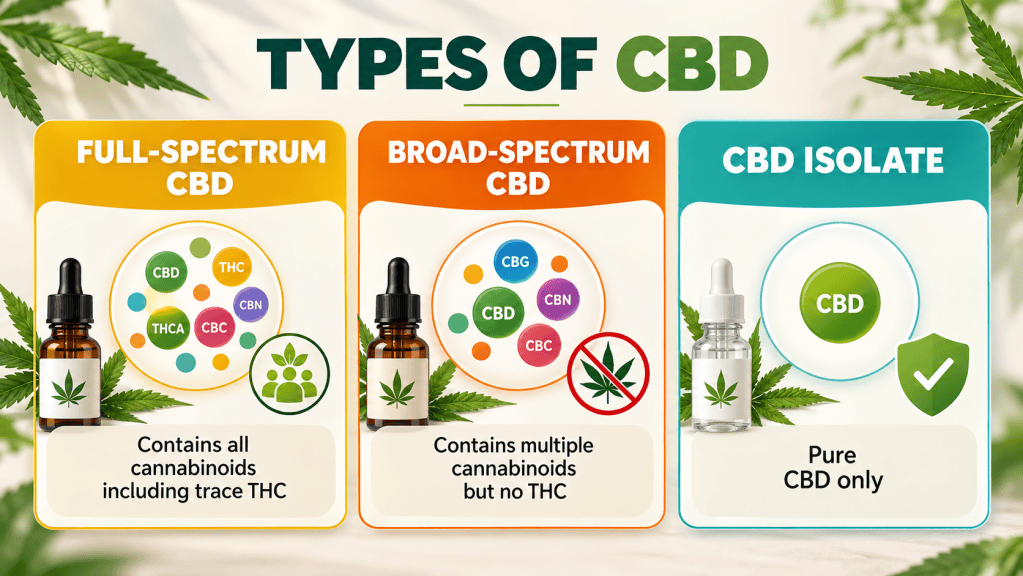
Products with little or no THC, such as CBD isolate items that test under 0.4 mg of total THC per container, are the most likely to stay federally compliant. Products built around THC face the biggest changes.
This table reflects the federal law as written in October 2026. State law can be stricter, and nothing here is a legal guarantee.
| Product type | Legal before (2018 Farm Bill rules) | Legal after (federal rules from Dec 11, 2026) |
|---|---|---|
| CBD isolate products with no detectable THC | Yes, federally legal hemp | Likely, if testing shows under 0.4 mg total THC per container |
| Broad-spectrum CBD | Yes | Depends on the lab results for each batch |
| Full-spectrum CBD | Yes, if under 0.3% delta-9 THC | Many will exceed the 0.4 mg cap |
| Hemp delta-9 THC gummies and drinks | Yes, if under 0.3% delta-9 by weight | Most exceed the cap and lose hemp status |
| THCA flower and pre-rolls | Sold as hemp if delta-9 was under 0.3% | THCA now counts, so most fail |
| Delta-8 THC products | Gray area | Delta-8 counts toward total THC |
| Synthetic cannabinoids such as THC-O | Gray area | Lose federal hemp status on November 12, 2026 |
What about hemp vapes in Texas?
For vapes in Texas, the federal date isn’t the main story, because state law already bans selling vape products that contain cannabinoids. Senate Bill 2024 took effect on September 1, 2025.
SB 2024 makes it a Class A misdemeanor to market, advertise or sell an e-cigarette product that contains, or is marketed as containing, cannabinoids such as THC or CBD. The only cannabis vapes allowed are those dispensed through the Texas Compassionate Use Program. Vicente LLP’s summary of SB 2024 covers the details.
Texas has stacked other rules on top of that:
- Age 21 and up. Consumable hemp products can only be sold to adults 21 and older with a valid government ID.
- Total THC since March 31, 2026. Texas DSHS rules already count THCA toward the 0.3% THC limit. The hemp industry is challenging that rule in court, and as of this update, the temporary injunction against it is not in effect.
- Delta-8 and similar compounds. Since July 31, 2026, DSHS treats delta-8, delta-10, and other non-delta-9 THC isomers as controlled substances, following a Texas Supreme Court ruling in May 2026.
So if you live in Texas, the federal ban mostly matters for edibles, drinks, tinctures and flower. Vapes changed a year earlier.
How can you tell if a product will pass the new rules?
Read its certificate of analysis (COA). A COA is the lab report that shows exactly what’s in a batch, and it’s the only reliable way to see where a product stands under the federal hemp ban.
When you open one, check these things:
- Total THC, not only delta-9. Look for a “Total THC” line that includes THCA.
- THC per container. Some labs list mg per package. If yours shows a percentage, multiply it by the product’s weight in grams, then by 10, to get milligrams.
- Batch and date. The batch number on the report should match your package.
- An independent lab. The report should come from a third-party lab, not the brand itself.
The same check works for anything you buy, from a tincture to a bottle of CBD juice.
You can see how this looks in practice on our page of third-party lab reports, where each product line links to its COA.
Conclusion
Most of the federal hemp ban now starts on December 11, 2026, not November 12, and that date could still move. November 12 only affects synthetic cannabinoids. Texas buyers face stricter rules already, including the 2025 vape ban and the 21+ age limit.
You don’t need to panic-buy anything. The smartest move is to check the lab report before you buy. We publish third-party lab reports for our product lines, including our CBD juice, so you can see the numbers for yourself. Please check your own state’s rules too, since they can be stricter than federal law.
FAQ
Will CBD become illegal on December 11, 2026?
Not all of it. CBD products that test under 0.4 mg of total THC per container should still fit the federal definition, though nothing is guaranteed. Full-spectrum products with trace THC are the most likely to fall out of compliance. State laws can add more limits on top.
Does the 0.4 mg limit apply per serving or per package?
Per package. The federal rule caps final hemp-derived cannabinoid products at 0.4 mg of total THC per container. A 10-count gummy pack would need to average 0.04 mg per gummy, which is far below what most THC edibles contain today.
Can I still buy CBD vapes in Texas?
Texas SB 2024, effective September 1, 2025, bans marketing or selling vape products that contain or are marketed as containing cannabinoids, including CBD. The only exception is the Texas Compassionate Use Program. If you live elsewhere, check your own state’s vape and hemp laws.
Is THCA flower still legal under the new rules?
Most THCA flower won’t meet the federal definition from December 11, 2026, because THCA counts toward the 0.3% total THC limit. Texas already counts THCA under DSHS rules adopted March 31, 2026, though that rule is still being challenged in court.
Could the deadline move again?
Yes. The December 11, 2026 date is tied to a stopgap funding law that expires the same day, so Congress will revisit funding by then. A House bill also proposes delaying the rules to 2028. Until something new passes, December 11 is the date to plan around.